Psilocybe Tampanensis: An Overview
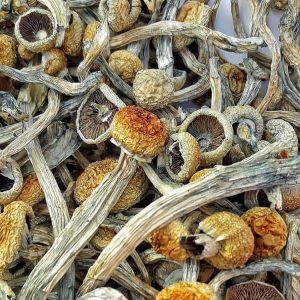
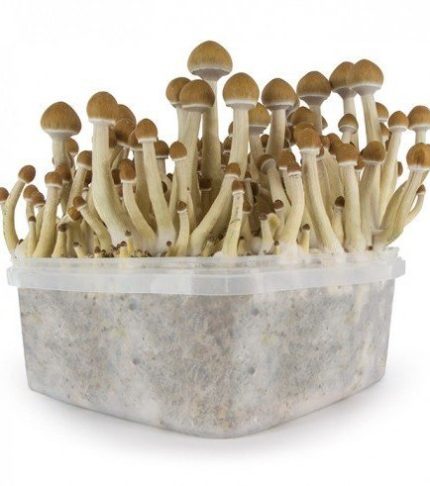
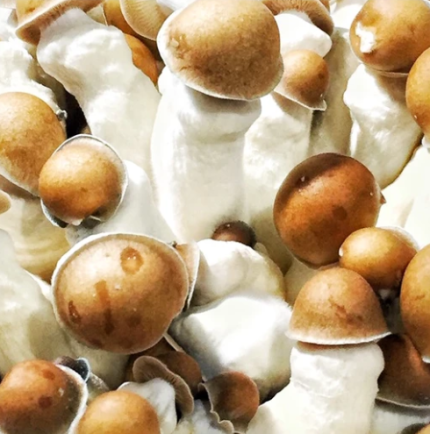
Psilocybe Tampanensis, also known as the Philosopher’s Stone is a rare genetic that was originally discovered near Tampa, Florida in the ‘70s and was only rediscovered 44 years later. The original specimen was cloned and has since been cultivated widely along with its sclerotia (truffle). All the commercially available spores and cultivation kits originate from this specimen. Where the magic mushroom is a fleshy body with a stalk and cap, the magic truffle more closely resembles the breakfast cereal muesli or a bunch of pebbles and grows like a potato under within the substrate as opposed to how a mushroom would grow on top of the substrate. The truffles however take substantially longer to form than a mushroom would.
Psilocybe tampanensis is a species of mushroom known for its psychoactive properties, primarily due to the presence of psilocybin and psilocin. These compounds can induce vivid hallucinations, altered perception, and profound changes in consciousness. Understanding this mushroom’s characteristics, effects, and uses can provide valuable insights into its role in both natural and therapeutic contexts.
Cultivation and Use:
The philosopher’s stone sclerotia are often cultivated for their high concentration of psilocybin and psilocin, making them a favorite for users seeking a more measured, legal alternative to mushrooms. Mostly found in the Netherlands, these truffles provide a mind-expanding yet mellow experience and are commonly sold in Tupperware containers for easy consumption.
What Is Psilocybe Tampanensis?
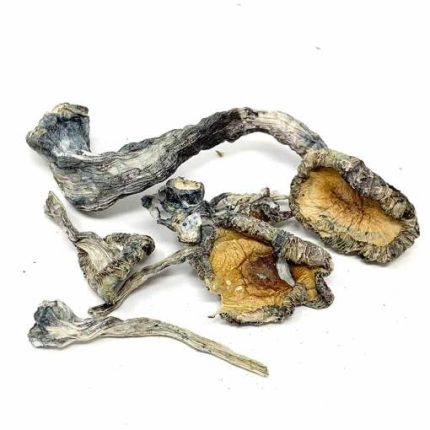
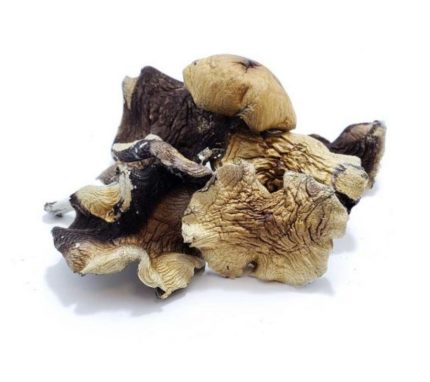
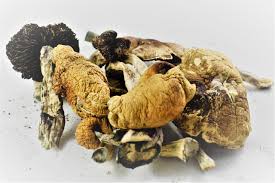
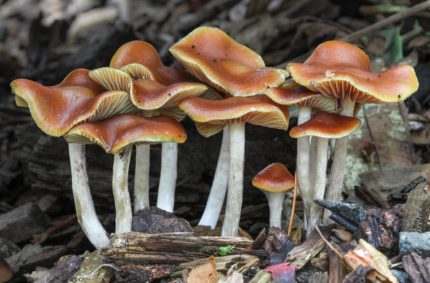
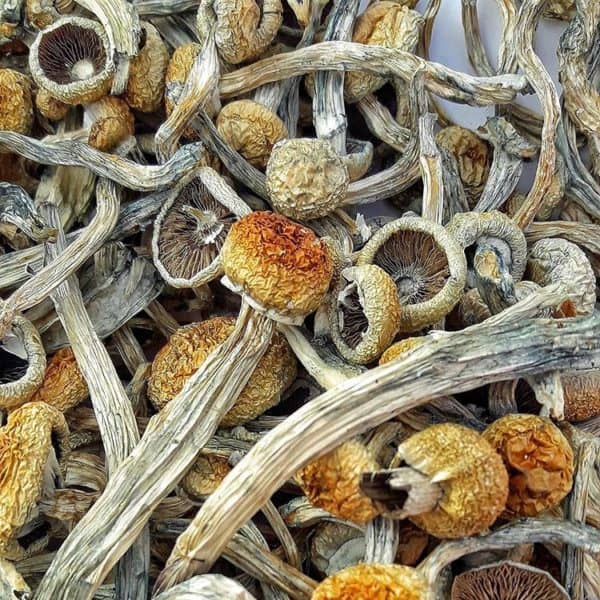
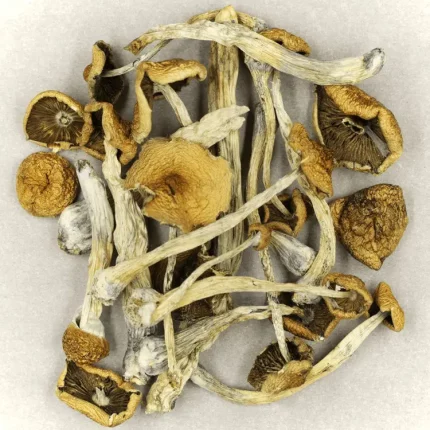
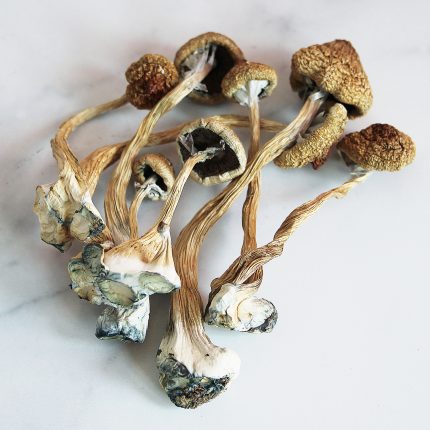
1. Description: Psilocybe tampanensis is a small to medium-sized mushroom with a characteristic conical to bell-shaped cap that can range in color from light brown to golden. The gills beneath the cap are closely spaced and dark purplish-brown when mature.
2. Habitat: This species typically grows in the wild, often found in grassy areas, particularly in the southern United States. It thrives in nutrient-rich soils, especially those enriched by animal dung.
– Effects: Users often report a range of effects, including:
– Visual and auditory hallucinations
– Enhanced emotional experiences
– Altered sense of time and space
– Deep introspective thoughts and insight
Therapeutic Uses
Recent research into psilocybin and other psychedelics has shown promise in various therapeutic contexts:
1. Mental Health Treatment: Psilocybin is being studied for its potential to treat conditions such as depression, anxiety, and PTSD. Preliminary studies suggest that it may help patients experience significant improvements in their mental health.
2. Spiritual and Personal Growth: Many users seek out Psilocybe tampanensis for its potential to facilitate spiritual experiences, self-discovery, and personal growth.
Dosage and Safety
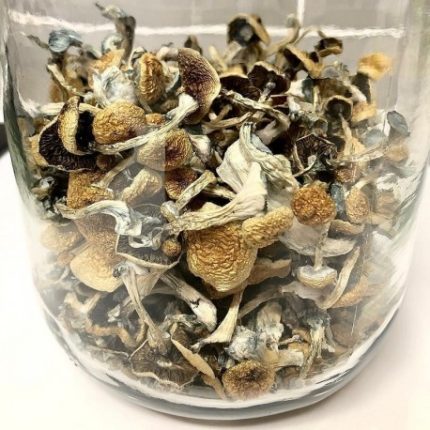
– Dosage: The effects of Psilocybe tampanensis can vary based on individual tolerance, the method of consumption, and the specific mushroom strain. Typically, a moderate dose ranges from 1 to 2.5 grams of dried mushrooms.
– Safety Considerations: While generally considered safe when used responsibly, potential risks include:
– Anxiety or paranoia during intense experiences
– Risk of consuming misidentified mushrooms
– Legal restrictions in many regions